
書きたい人のためのwebマガジン
書きたい人のためのwebマガジン

- 記事一覧
- ゲストライター記事一覧
- Opinions第3回エッセイ募集「日本における外国人犯罪について」受賞作品①
Opinions第3回エッセイ募集「日本における外国人犯罪について」受賞作品①
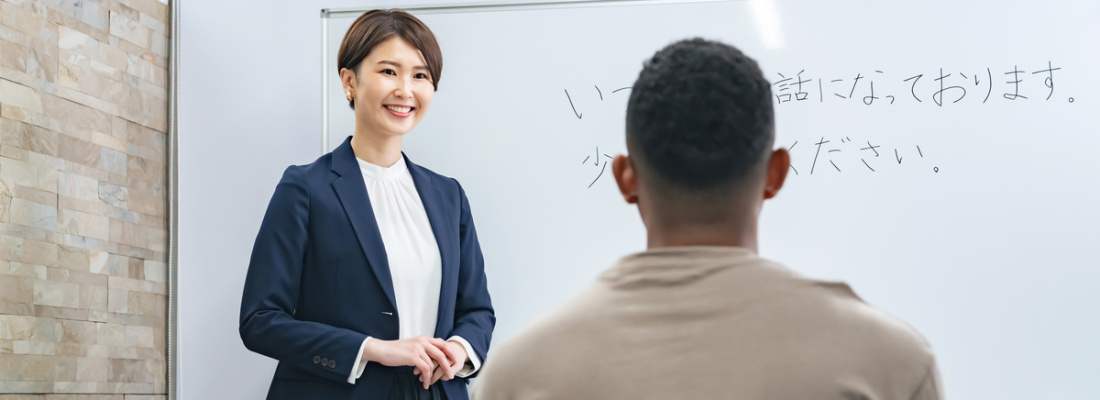
高校生 加藤里桜(18歳)
The narrative surrounding foreign residents and crime in Japan reveals a striking disconnect between perception and reality. The media often portrays foreign residents as a growing threat to safety and order. Yet, the data tells a very different story. In 2024, foreign residents were arrested at a rate of 0.19%, nearly identical to the 0.15–0.2% arrest rate among Japanese citizens. These figures demonstrate that foreign crime is not Japan’s public safety crisis. The real issue lies in how misperceptions about foreigners hinder integration.
The persistence of this misconception has tangible consequences. When society views foreign residents through a lens of suspicion, it creates an environment of exclusion. Employers hesitate to hire, landlords refuse to rent, and schools cannot gather enough resources to support immigrant students. Over time, these barriers isolate foreign residents and their children, limiting their access to education, employment, and social participation. For a small but significant minority, such exclusion can spiral into adult crime or teenage delinquency: creating a self-fulfilling prophecy where bias fuels the very negative outcome that we fear.
I believe the most effective way to prevent crime and ease social tension is to provide equitable access to language learning for immigrant children. According to Japanese government data, the number of foreign residents reached a record high at the end of 2024. Among them, approximately 139,000 foreign children are enrolled in public schools. Within the next two decades, multicultural classrooms will become the everyday norm. This demographic shift presents both a challenge and an opportunity; Japan can either allow inequities to further fuel the cycle of bias-driven crime or proactively build systems that remove potential bias from the next generation of Japanese youth.
During my shadowing experience at the Okayama Prefectural Office, I observed the limitations of Japan’s current language education system for immigrant students. While many schools in Okayama collaborate with local governments and non-profits to provide support, resources remain insufficient. Many secondary schools have not yet adopted multilingual exams, leaving academically capable students struggling to advance.
Regional disparities also reveal how much potential remains untapped. Japanese courses are provided at international exchange centers in urban cities such as Okayama and Kurashiki City. However, lacking funding, language support programs are often minimal or entirely absent in smaller towns. In Kibi Chuo Town in Okayama, teacher shortages have left some foreign children without formal Japanese language education. Some children must travel as far as Hiroshima, a neighboring prefecture, to receive basic language support. These realities indicate the importance of setting up a national language policy that can fully support immigrant children
Beyond the moral imperative, the economic benefits of educational investment are compelling. In Massachusetts, immigrants who participated in English for Speakers of Other Languages programs saw an average income increase of 56%. The same logic applies in Japan: language proficiency enhances confidence, academic motivation, and future employability. When foreign residents can contribute fully to society, productivity rises, and tax revenue grows. The amount of social welfare costs being used to support those currently in poverty or unemployment decreases.
My year-long internship at a Kumon learning center in the United States showed me how transformative language education can be firsthand. Working with more than ten immigrant students, I observed how linguistic confidence altered their academic motivation and self-esteem. At first, many were quiet, hesitant to participate. But as their English skills improved, so did their sense of belonging and love for the residing country—this time, the U.S. Empowering immigrants at a young age can have a profound impact on how they spend adulthood.
To bring upon these benefits, I propose three interventions that I aspire to devise in the future as a policy designer to reduce bias-driven crime.
First, is to strengthen the Japanese language learning supporter system. Currently in Japan, teachers often work overtime after school to teach Japanese to immigrant children. This not only burdens teachers but also restricts the after-school time of foreign children who should be spending time with friends and family. I want to strengthen the system by expanding the existing Japanese language learning supporter system and spreading teacher training courses nationwide.
Second, is to establish Japanese as a Second Language (JSL) classrooms. Currently, while the Ministry of Education, Culture, Sports, Science and Technology has introduced the JSL curriculum, nationwide implementation and hypothesis testing are insufficient. What I propose is a system where immigrant children spend several hours a day in JSL classrooms and the rest in regular classrooms. This would be a dual approach balancing language acquisition with peer interaction. It also guarantees financial efficiency as it does not require new facility construction.
Finally, is the “Language Buddy” System. I suggest inviting high school and university students as mentors in JSL classroom settings. This promotes youth community participation while addressing personnel shortages. To secure student participants, incentives will be provided through issuing activity certificates. After the program begins, mentors will be matched using an AI program that outputs best-fit combinations based on mentee's language abilities and personality types.
Selecting 1-2 schools in Tokyo first, the launch of model classrooms can begin. After the overview and purpose of these programs has been briefed with parents and schools, these initiatives will be fully installed. By analyzing its outcomes for improvement, the system can be expanded to schools nationwide.
These educational reforms combat bias and crime through a complementary effect as well. Integration reforms reshape how Japanese citizens perceive foreign people. Research in social psychology shows that meaningful contact between groups under equal status and shared goals reduces prejudice. When Japanese children study and grow alongside foreign students, they become good classmates or close companions, replacing potential stereotypes with more empathetic outlooks. Over time, this generational change erodes the foundation of the “foreign crime” myth itself.
Japan’s future depends not on defensive policies rooted in fear but on inclusive systems built on trust. When we design language education systems, we invest in a safer, stronger Japan. Let’s begin by ensuring each child feels supported as they learn and grow.

日本における外国人住民と犯罪をめぐる言説は、認識と現実の間に著しい乖離があることを如実に示しています。メディアはしばしば、外国人住民を安全と秩序に対する脅威として描きます。しかし、データは全く異なります。2024年の外国人住民の逮捕率は0.19%で、これは日本人の逮捕率0.15~0.2%とほぼ同じです。これらの数字は、外国人犯罪が日本の治安上の危機ではないことを示しています。真の問題は、外国人に対する誤った認識がいかに社会統合を阻害しているかです。
この誤解が根強く残ることは、具体的な結果をもたらします。社会が外国人住民を疑いの目で見ることで、排除の環境が生まれます。雇用主は雇用をためらい、家主は賃貸を拒否し、学校は移民の学生を支援するための十分な資金を集めることができません。時間が経つにつれて、こうした障壁は外国人住民とその子供たちを孤立させ、教育、雇用、そして社会参加へのアクセスを制限します。こうした排除は成人犯罪や10代の非行へと悪循環を招きかねません。つまり、偏見がまさに私たちが恐れているような負の結果を助長するという、自己成就的予言を生み出すのです。
犯罪を防止し、社会的な緊張を緩和する最も効果的な方法は、移民の子どもたちに公平な言語学習の機会を提供することだと私は考えています。日本政府のデータによると、2024年末に外国人住民の数は過去最高を記録しました。そのうち、約13万9000人の外国人の子どもたちが公立学校に在籍しています。今後20年以内に、多文化共生の教室が日常の標準となるでしょう。この人口動態の変化は、課題であると同時に機会でもあります。日本は、不平等によって偏見に基づく犯罪の悪循環をさらに助長するか、次世代の日本の若者から潜在的な偏見を取り除くシステムを積極的に構築するか、どちらかを選ぶことができます。
岡山県庁でのシャドウイング活動を通して、私は日本の移民生徒に対する現在の言語教育システムの限界を目の当たりにしました。岡山県では多くの学校が地方自治体や非営利団体と連携して支援を行っていますが、依然としてリソースが不足しています。多くの中等教育機関では多言語試験が未導入であり、学力のある生徒が進学に苦労しています。
地域格差は、未開拓の可能性の大きさを如実に示しています。岡山市や倉敷市といった都市部では、国際交流センターで日本語講座が提供されています。しかし、資金不足のため、小規模な町では言語支援プログラムが最小限、あるいは全く提供されていないケースがしばしばあります。岡山県吉備中央町では、教師不足により、一部の外国籍の子どもたちが正式な日本語教育を受けられずにいます。中には、基本的な言語支援を受けるために隣県の広島まで通わなければならない子どもたちもいます。こうした現状は、移民の子どもたちを全面的に支援できる国家言語政策の策定の重要性を示唆しています。
道徳的責務を超えて、教育投資の経済的メリットは計り知れません。マサチューセッツ州では、英語を母国語としない人のための英語プログラムに参加した移民の平均所得は56%増加しました。日本にも同じことが当てはまります。語学力は自信、学習意欲、そして将来の雇用可能性を高めます。外国人住民が社会に十分貢献できるようになれば、生産性が向上し、税収も増加します。貧困層や失業中の人々を支援するために使われる社会福祉費は減少します。
アメリカの公文式学習センターで1年間インターンシップを経験し、言語教育がいかに変革をもたらすかを身をもって体験しました。10人以上の移民の生徒たちと接する中で、言語への自信が彼らの学習意欲と自尊心をどのように変化させていくかを目の当たりにしました。最初は多くの生徒が静かで、参加をためらっていました。しかし、英語力が向上するにつれて、彼らの帰属意識と居住国(今回はアメリカ)への愛着も深まりました。若い頃に移民のエンパワーメントを支援することは、彼らの成人期の過ごし方に大きな影響を与える可能性があります。
これらの利点を実現するために、私は政策立案者として、偏見に基づく犯罪を減らすために将来考案したいと考えている 3 つの介入策を提案します。
一つ目は、日本語学習サポーター制度の強化です。現在、日本では、外国人児童生徒への日本語指導のため、教師が放課後に残業するケースが多く見られます。これは教師の負担となるだけでなく、本来友人や家族と過ごすべき外国籍児童生徒の放課後の時間を制限しています。既存の日本語学習サポーター制度を拡充し、教師養成講座を全国展開することで、この制度を強化したいと考えています。
二つ目は、第二言語としての日本語(JSL)教室の設置です。現在、文部科学省はJSLカリキュラムを導入していますが、全国的な導入と仮説検証が不十分です。私が提案するのは、移民の子どもたちが1日に数時間をJSL教室で過ごし、残りの時間を通常教室で過ごすというシステムです。これは、言語習得と仲間との交流を両立させる二重のアプローチです。また、新たな施設建設を必要としないため、経済的な効率性も確保できます。
最後に、「ランゲージ・バディ」制度についてです。高校生や大学生を日本語教室のメンターとして招き、若者のコミュニティ参加を促進するとともに、人材不足の解消にも貢献します。学生の参加を促すため、活動証明書の発行といったインセンティブを付与します。プログラム開始後は、メンティーの言語能力と性格タイプに基づいて最適な組み合わせを出力するAIプログラムを用いて、メンターのマッチングを行います。
まずは都内で1~2校を選定し、モデル教室の設置を開始します。保護者と学校に対し、プログラムの概要と目的を説明した後、本格的に導入を進めます。成果を分析し、改善につなげることで、全国の学校へ展開していきます。
これらの教育改革は、相乗効果を通じて偏見や犯罪対応し、統合改革は、日本人の外国人に対する認識を変えます。社会心理学の研究によると、平等な立場にあり、共通の目標を持つ集団間の有意義な交流は、偏見を軽減することが示されています。日本の子どもたちが外国人学生と共に学び、成長することで、良きクラスメイトや親しい仲間となり、潜在的なステレオタイプを、より共感的な見方へと変化させます。こうした世代交代は、時とともに「外国人犯罪」という神話そのものの根底を揺るがしていきます。
日本の未来は、恐怖に根ざした防衛政策ではなく、信頼に基づく包摂的なシステムによって支えられています。言語教育制度を設計することは、より安全で力強い日本への投資です。まずは、子どもたち一人ひとりが学び、成長していく中で、支えられていると感じられるよう努めましょう。


Recently Popular最近よく読まれている記事
-
食べていても痩せる 高齢者終末期のカヘキシア(悪液質)
食べていても痩せる。活発に運動を続けている人なら不思議に思わないが、介護度の高い高齢者にそのようなことが果たして起こるのだろうか。起こるのであれば、それはカヘキシアという病態であれば説明できる。 カヘキシア(悪液質)カヘキシアとは、食欲不振・体重減少・全身衰弱・倦怠感などを呈し、生命予後やQOL(qualit… -

終末期の自然な経過を見極めるとは
長期に渡り胃ろうからの栄養を続けていると、注入した物が食道へ逆流したり、唾液や痰の貯留が増えたりして、吸引を繰り返すことになるが、結局のところ、頻回の吸引も間に合わず、心肺停止状態で発見されることが多い。これでは看取りとは言えない。ここに至るまでの言葉を語れない人の苦しみ。このような事態を避ける智慧… -

自閉症スペクトラムと呼ばれているような障害は、実は障害ではない。生物としての人類のバリエーション(変異)の一つである。
自閉症スペクトラムと呼ばれているような障害は、実は障害ではない。生物としての人類のバリエーション(変異)の一つである。本来は人類の、生息環境に対する適応の一つのあり方だというのが、ニューロダイバーシテイ(脳多様性)という考え方に他ならない(詳しくは正高信男著『ニューロダイバーシテイと発達障害』(北大… -

社会保障分野での普遍主義と選別主義について
介護保険や医療保険では、貧富にかかわらず保険によって9割が給付(自己負担は1割)あるいは、7割が給付(自己負担は3割)される。この様な社会保障の方式は、「普遍主義」といわれている。「普遍主義」は、義務教育や、最近では高等学校の授業料にも適応されている(この場合も裕福な人も貧しい人も同様に無償である)。反… -
飲まず食わず(自発的飲食中止)という選択、VSEDをご存知ですか?
前回(Opinionsで9月24日配信記事)は有馬斉氏による安楽死の分類と、我が国の現状についてお伝えしました。また我が国においては、医師の致死的薬剤の処方による積極的安楽死は、法的に支持されていないということもお話ししました。諸外国では医師による致死的薬剤処方による安楽死が認められている国もありますが、もち… -

医療崩壊
ある日の外来。朝の9時から診察室に座りっぱなしでそろそろ3時間が経過。既に再診患だけではなく、その日の新患も回ってきます。で、そうした中に問題のおじさんがいました。「今、○○クリニックで薬をもらっていまして・・・」「30日分貰っているのですが、お腹が痛くなったので、診てもらいに来ました」「○○先生の紹介…
Writer ライター
-
 鹿児島県立短期大学飯田 都
飯田 都の記事を見る
-
 たすく新聞舗山脇 佑介
山脇 佑介の記事を見る
-
 元高校教員・独立系土着政治家(市議会議員)・ユースワーカー奥 侑樹
奥 侑樹の記事を見る
-
 公職勤務/政策研究・防衛行政・文化政策黒乃 流星
黒乃 流星の記事を見る
-
 会社員宮田 宗知
宮田 宗知の記事を見る
-
 公益財団法人橋本財団事務局通信
事務局通信の記事を見る
-
 広島文教大学 教授/スクラムユニオン・ひろしま 執行委員岩下 康子
岩下 康子の記事を見る
-
 「ことばの力教室」主宰 子どもの表現力育成アドバイザー/フリーライター・講師二村 昌子
二村 昌子の記事を見る
-
 受賞作品Opinionsエッセイ
Opinionsエッセイの記事を見る
-
 ペンネーム東沖 和季
東沖 和季の記事を見る
-
 ニセコ在住下田 伸一
下田 伸一の記事を見る
-
 ペンネーム 看護師宇梶 正
宇梶 正の記事を見る
-
 武蔵野大学大学院大谷 航介
大谷 航介の記事を見る
-
 一般社団法人村楽東 大史
東 大史の記事を見る
-
 会社員池松 俊哉
池松 俊哉の記事を見る
-
 (公財)橋本財団研究助成 成果報告
研究助成 成果報告の記事を見る
-
 横浜市立大学小林 天音
小林 天音の記事を見る
-
 東京西徳洲会病院小児医療センター 小児神経科医師秋谷 進
秋谷 進の記事を見る
-
 公益財団法人地方自治総合研究所 常任研究員坂本 誠
坂本 誠の記事を見る
-
 ペンネームAurora
Auroraの記事を見る
-
 つむぐ株式会社 代表取締役竹村 仁量
竹村 仁量の記事を見る
-
 岡山大学学術研究院医歯薬学域長谷井 嬢
長谷井 嬢の記事を見る
-
 ソシエタス総合研究所 研究員Karki Shyam Kumar (カルキ シャム クマル)
Karki Shyam Kumar (カルキ シャム クマル)の記事を見る
-
 NPO法人妊娠しぇるとSOS 理事長小林 智子
小林 智子の記事を見る
-
 書きたい人のためのwebマガジンOpinions編集部
Opinions編集部の記事を見る
-
 介護福祉士渡口 将生
渡口 将生の記事を見る
-
 相談支援専門員・福祉ネイリストゆき
ゆきの記事を見る
-
 株式会社ありがとうファーム取締役副社長馬場 拓郎
馬場 拓郎の記事を見る
-
 ジャーナリスト ペンネームジョワキン
ジョワキンの記事を見る
-
 ソシエタス総合研究所 研究員Andi Holik Ramdani(アンディ ホリック ラムダニ)
Andi Holik Ramdani(アンディ ホリック ラムダニ)の記事を見る
-
 ソシエタス総合研究所 研究員Waode Hanifah Istiqomah(ワオデ ハニファー イスティコマー)
Waode Hanifah Istiqomah(ワオデ ハニファー イスティコマー)の記事を見る
-
 元芝園団地自治会岡﨑 広樹
岡﨑 広樹の記事を見る
-
 岡山外語学院留学生カーン エムディ マムン
カーン エムディ マムンの記事を見る
-
 行政書士板垣 岳人
板垣 岳人の記事を見る
-
 Crimson Education教育コンサルタント蘇 暁辰(Xiaochen Su)
蘇 暁辰(Xiaochen Su)の記事を見る
-
 神戸大学准教授斉藤 善久
斉藤 善久の記事を見る
-
 ドイツ在住阿部プッシェル 薫
阿部プッシェル 薫の記事を見る
-
 ライター/編集者黒部 麻子
黒部 麻子の記事を見る
-
 翻訳家田尻 潤子
田尻 潤子の記事を見る
-
 アブダビ環境庁長官 Environment Agency – Abu Dhabi (ead.gov.ae)シャイカ・サレム・アル・ダヘリ
シャイカ・サレム・アル・ダヘリの記事を見る
-
 元整形外科医/農園主散木洞人
散木洞人の記事を見る
-
 豊橋技術科学大学パク ミンジョン
パク ミンジョンの記事を見る
-
 生理革命委員会澤田まりあ、山形萌花、山領珊南
澤田まりあ、山形萌花、山領珊南の記事を見る
-
 SOMPOケア株式会社藤田 定司
藤田 定司の記事を見る
-
 おかやま山陽高等学校橘 里香サニヤ
橘 里香サニヤの記事を見る
-
 ソシエタス総合研究所 研究員坂入 悦子
坂入 悦子の記事を見る
-
 Hiro山下行政書士国際法務事務所 代表山下裕司
山下裕司の記事を見る
-
 ソシエタス総合研究所 研究員Niklas Holzapfel ホルツ アッペル ニクラス
Niklas Holzapfel ホルツ アッペル ニクラスの記事を見る
-
 サウンドエンジニアEmre・Ekici エムレ・エキジ
Emre・Ekici エムレ・エキジの記事を見る
-
 NPO法人岡山県国際団体協議会
岡山県国際団体協議会の記事を見る
-
 岡山大学 学術研究院 社会文化科学学域 教授東條 光彦
東條 光彦の記事を見る
-
 福岡大学 名誉教授田村 和夫
田村 和夫の記事を見る
-
 ソシエタス総合研究所 研究員相川 真穂
相川 真穂の記事を見る
-
 一般社団法人京都総合科学研究所 アドバイザー松村 道郎
松村 道郎の記事を見る
-
 ワラム株式会社 代表取締役加藤 侑子
加藤 侑子の記事を見る
-
 岡山市立操南中学校 教諭/NPO法人国際協力研究所・岡山代表理事竹島 潤
竹島 潤の記事を見る
-
 新西横浜街の予防医療ケア研究室 保健師・看護師・元先端バイオ創薬ベンチャー取締役五十嵐 直敬
五十嵐 直敬の記事を見る
-
 共著橋本俊明・秋吉湖音
橋本俊明・秋吉湖音の記事を見る
-
 ライター菊池 洋勝
菊池 洋勝の記事を見る
-
 大東文化大学国際関係学部・特任教授 高崎経済大学経済学部・非常勤講師 目白大学経営学部経営学科&目白大学大学院経営学研究科 非常勤講師 長崎県佐世保市役所 経済活性化~産業振興に関するアドバイザー、博士(経済学)江崎 康弘
江崎 康弘の記事を見る
-
 ソシエタス総合研究所 研究員秋吉 湖音
秋吉 湖音の記事を見る
-
 JICA専門家足立 伸也
足立 伸也の記事を見る
-
 富士通株式会社 第三ファイナンス事業本部 シニアマネージャー安留 義孝
安留 義孝の記事を見る
-
 EDAS(イーダス)理事長田村 拓
田村 拓の記事を見る
-
 監督・プロデューサー湯浅 典子
湯浅 典子の記事を見る
-
 日本経済大学 准教授山下 誠矢
山下 誠矢の記事を見る
-
 人と医療の研究室 代表池尻 達紀
池尻 達紀の記事を見る
-
 一般社団法人飛島学園 代表理事堂野 博之
堂野 博之の記事を見る
-
 ニッセイ基礎研究所 生活研究部 主任研究員、ヘルスケアリサーチセンター・ジェロントロジー推進室兼任金 明中
金 明中の記事を見る
-
 医療法人財団足立病院 理事長、社会福祉法人あだち福祉会 理事長畑山 博
畑山 博の記事を見る
-
 教育研究家、合同会社ライフ&ワーク代表妹尾 昌俊
妹尾 昌俊の記事を見る
-
 ハーバード大学ベス・イスラエル・ディーコネス・メディカルセンター、高度消化管/最小侵襲外科フェロー中元 啓太郎
中元 啓太郎の記事を見る
-
 ソシエタス総合研究所 主任研究員井上 登紀子
井上 登紀子の記事を見る
-
 ソシエタス総合研究所 研究員松田 郁乃
松田 郁乃の記事を見る
-
 ソシエタス総合研究所 研究員アイシェ・ウルグン・ソゼン Ayse Ilgin Sozen
アイシェ・ウルグン・ソゼン Ayse Ilgin Sozenの記事を見る
-
 NPO法人岡山市子どもセンター 事務局久川 春菜
久川 春菜の記事を見る
-
 ユースワーカー(Youth Woker)森分 志学
森分 志学の記事を見る
-
 ペンネーム三村 喜久雄
三村 喜久雄の記事を見る
-
 ペンネーム黒木 洋一郎
黒木 洋一郎の記事を見る
-
 NPO法人チャリティーサンタ 理事河津 泉
河津 泉の記事を見る
-
 金沢大学人間社会学域地域創造学類・准教授 、特定非営利活動法人国土利用再編研究所・理事長林 直樹
林 直樹の記事を見る
-
 認定NPO法人ペアレント・サポートすてっぷ理事長安藤希代子
安藤希代子の記事を見る
-
 カリフォルニア大学サンフランシスコ校小児胸部心臓外科教授佐野俊二
佐野俊二の記事を見る
-
 社会福祉法人 旭川荘 ひらたえがお保育園 園長江田 加代子
江田 加代子の記事を見る
-
 NPO法人 おかやまUFE 副理事長 ・NPO法人 おかやまUFE 事務局阪井 ひとみ・永松千恵
阪井 ひとみ・永松千恵 の記事を見る
-
 社会学者 東京大学名誉教授 認定NPO法人ウィメンズアクションネットワーク(WAN)理事長 上野 千鶴子
上野 千鶴子 の記事を見る
-
 外務省 国際保健政策室長 鷲見 学
鷲見 学の記事を見る
-
 プロ・アダプティブ・サーファー藤原(旧姓:川上)智貴
藤原(旧姓:川上)智貴の記事を見る
-
 京都大学霊長類研究所 教授正高信男
正高信男の記事を見る
-
 社会医療法人石川記念会HITO病院緩和ケア内科統括部長大坂巌
大坂巌の記事を見る
-
 東京医療学院大学保健医療学部教授上田 諭
上田 諭の記事を見る
-
 「夢を叶える145」ライター宮村孝博
宮村孝博の記事を見る
-
 NPO法人 Anneの家 代表 美作地区里親会会員松本芳也・淳子夫妻
松本芳也・淳子夫妻の記事を見る
-
 特定非営利活動法人あかね 代表理事中山 遼
中山 遼の記事を見る
-
 大阪市立総合医療センター 緩和医療科部長 兼 緩和ケアセンター長 大阪市立大学医学部臨床准教授 一般社団法人「こどものホスピスプロジェクト」常務理事 日本小児科学会専門医 英国カーディフ大学緩和ケア認定医(Certificate in Palliative Care) 日本緩和医療学会暫定多田羅竜平
多田羅竜平の記事を見る
-
 NPO法人 岡山マインド「こころ」/代表理事 一般社団法人お互いさま・まびラボ/副代表理事多田伸志
多田伸志の記事を見る
-
 一般社団法人MY TREE代表理事 MY TREEペアレンツ・プログラムスーパーバイザー 認定フェミニストカウンセラー (公認心理師)中川和子
中川和子の記事を見る
-
 兵庫県立ひょうごこころの医療センター精神科医師小田 陽彦
小田 陽彦の記事を見る
-
 独立行政法人国立病院機構福山医療センター院長岩垣博己・堀井城一朗・矢野 平
岩垣博己・堀井城一朗・矢野 平の記事を見る
-
 岡山大学 教授 文学部長田中 共子
田中 共子の記事を見る
-
 Civil Engineer (仕組みつくりの技術者)石田篤史
石田篤史の記事を見る
-
 一般財団法人キヤノングローバル戦略研究所 研究主幹・経済学博士松山幸弘
松山幸弘の記事を見る
-
 岡山大学生殖補助医療技術教育研究センター ART教育研究部門長・教授舟橋 弘晃
舟橋 弘晃の記事を見る
-
 医療法人サンズ理事長浅野 直
浅野 直の記事を見る
-
 株式会社ヘリオス 代表執行役社長CEO鍵本忠尚
鍵本忠尚の記事を見る
-
 慶應義塾大学文学部人間科学専攻教授(医療人類学) McGill大学人類学部・医療社会研究学部Ph.D.北中淳子
北中淳子の記事を見る
-
 岡山大学病院 緩和支持医療科片山英樹
片山英樹の記事を見る
-
 岡山市役所 保健福祉企画総務課松岡克朗
松岡克朗の記事を見る
-
 近現代史研究家青木康嘉
青木康嘉の記事を見る
-
 独立行政法人国立病院機構福山医療センター院長岩垣博己・長谷川利路・中島正勝
岩垣博己・長谷川利路・中島正勝の記事を見る
-
 岡山高等学院 副校長 水野文一郎
水野文一郎の記事を見る
-
 社会の仕組み屋、社会の編集者石原 達也
石原 達也の記事を見る
-
 一般社団法人SGSG理事長/中国学園大学子ども学部講師野村泰介
野村泰介の記事を見る
-
 一橋大学経済研究所 教授神林 龍
神林 龍の記事を見る
-
 特定医療法人自由会 理事 (社会福祉法人敬友会 理事、公益財団法人橋本財団 理事)橋本 健二
橋本 健二の記事を見る
-
 医療法人社団 岡山二人クリニック 理事長、医学博士林 伸旨
林 伸旨の記事を見る
-
 フリーライター渡辺嗣郎(わたなべ しろう)
渡辺嗣郎(わたなべ しろう)の記事を見る
-
 国立大学法人岡山大学 副理事(国際担当)横井 篤文
横井 篤文の記事を見る
-
 ペンネームドクターX
ドクターXの記事を見る
-
 NPO法人 山村エンタープライズ 代表理事藤井裕也
藤井裕也の記事を見る
-
 キャンサー・ソリューションズ株式会社 代表取締役社長桜井 なおみ
桜井 なおみの記事を見る
-
 AMDA(アムダ) グループ代表・認定非営利活動法人AMDA 理事長菅波 茂
菅波 茂の記事を見る
-
 ふれあい歯科ごとう代表五島 朋幸
五島 朋幸の記事を見る
-
 介護従事者髙田 浩一
髙田 浩一の記事を見る
-
 ケアマネ-ジャー・社会福祉士かえる ちから
かえる ちからの記事を見る
-
 五常・アンド・カンパニー株式会社 代表取締役社長慎 泰俊
慎 泰俊の記事を見る
-
 NPO法人 ポケットサポート代表理事三好 祐也
三好 祐也の記事を見る
-
 医療法人 寺田病院 院長板野 聡
板野 聡の記事を見る
-
 鳥取市立病院 地域医療総合支援センター 生活支援室 副室長、リハビリテーション部 副部長、歯科 医長目黒 道生
目黒 道生の記事を見る
-
 鳥取市立病院地域医療総合支援センター長 鳥取市福祉部参与足立 誠司
足立 誠司の記事を見る
-
 ペンネーム池井戸 高志
池井戸 高志の記事を見る
-
 ペンネーム池田 出水
池田 出水の記事を見る
-
 岡山大学大学院ヘルスシステム統合科学研究科教授松岡 順治
松岡 順治の記事を見る
-
 鳥取市立病院 名誉院長田中 紀章
田中 紀章の記事を見る
-
 岡山大学大学院保健学研究科 副研究科長 教授齋藤 信也
齋藤 信也の記事を見る
-
 公益財団法人橋本財団 理事長、医学博士橋本 俊明
橋本 俊明の記事を見る