
書きたい人のためのwebマガジン
書きたい人のためのwebマガジン

- 記事一覧
- ゲストライター記事一覧
- オランダに見るインドネシア ― 植民の記憶と現代の共生文化
オランダに見るインドネシア ― 植民の記憶と現代の共生文化

私はこれまで、学会発表や研究調査のため、三度オランダを訪れる機会があった。目的は移民政策や多文化共生に関する比較研究であったが、訪れるたびに「オランダの中のインドネシア」に出会うことになる。アムステルダムやデン・ハーグを歩くと、そこには思いがけず懐かしい香りと音に満ちていた。通りの一角で漂うナシゴレンの香り、スーパーで並ぶサンバルの瓶、そして街中で耳にする「apa kabar?(元気?)」という言葉。植民の歴史を背景に、インドネシアはオランダ社会の一部として静かに息づいていた。
初めて訪れたにもかかわらず、なぜか「長く知っている場所」に来たような感覚を覚えた。食事や人々の表情、住宅の中に飾られたバティックの布など、どこかで見たことのあるものが多い。インドネシアで育った私にとって、それは郷愁というよりも、文化が時間と距離を超えて再構築された「もうひとつの故郷」のように感じられた。
たとえば、オランダでは「rijsttafel(ライスターフェル)」という独特の食文化がある。直訳すれば「ご飯のテーブル」だが、実際はインドネシア料理を西洋式に再構成した豪華な食事である。ナシクニンやサテ、レンダンなどの小皿が並び、香辛料の香りがテーブルを包む。植民地時代にオランダ人がインドネシア料理を自国風にアレンジしたことが始まりとされ、今では家庭料理や祝宴の定番となっている。興味深いのは、オランダ人が多くの料理にピーナツソース(サテソース)をかける習慣を持っていることである。これはインドネシアの味覚が日常生活の中に深く根付いた一例であり、サテやフライドポテト、さらにはコロッケにまでピーナツソースを添える光景が見られる。この一皿には、支配と交流、そして文化の融合が象徴的に表れている。
オランダのスーパーで販売されているインドネシア風料理調味料

言語の中にもその痕跡は残っている。オランダ語には「pisang(バナナ)」や「amboi(あらまあ)」など、インドネシア語由来の語彙が少なくない。一方で、インドネシア語の中にも「kantor(オフィス)」や「Kamar(部屋)」といったオランダ語由来の単語が多く使われている。言葉の往来は、支配と被支配の関係だけでなく、日常生活の中で形成された「共通の文化経験」を物語っている。
さらに面白いのは、オランダの都市にはインドネシアの痕跡が地名にも残っていることだ。デン・ハーグやアムステルフェーンなどの市内には、「ボルネオ通り」「スラウェシ通り」「スマトラ通り」といった島の名前や、「スディルマン通り」「ハッタ通り」などインドネシア独立戦争の英雄の名前が付けられた通りが数多く存在する。初めて見たときは不思議に思ったが、植民地支配の歴史がいかに深くオランダの都市文化に刻まれているかを象徴しているように思う。
ジャワ地区と書いてある看板

オランダで私がインタビュー調査を行った二人のインドネシア人看護師との出会いが印象的だった。彼女たちは現在、第2世代インドネシア人高齢者のための介護施設で働いている。オランダには「人は高齢になると自分の国の文化や習慣に恋しくなる」という心理的な考え方があり、その理念に基づいて、こうした施設では入居者の文化や宗教的慣習を尊重している。施設の中にはインドネシアの装飾が施され、礼拝の時間にはアザーン(イスラームの礼拝呼びかけ)が流れる。看護師と入居者がインドネシア語で語り合う光景は、かつての植民関係を超えた「文化の循環」を感じさせた。
興味深いのは、ヨーロッパ全体で右派の勢力が強まっているなかでも、オランダではこうした「文化的尊重」が社会の一部として維持されていることである。確かに、右派を代表する政治家ヘルト・ウィルダース(Geert Wilders)のように、イスラームや移民に対して排他的な発言を繰り返す人物もいる。しかし、現実の社会では、移民文化への尊重や共生を重んじる動きも根強い。トルコ系移民が経営するハラールケバブ店が地元の人々に大人気であることも、共生社会の一断面を示している。
1958年、インドネシアの社会・政治的混乱の中で、オランダとの関係を持つ人々の一部が船でオランダへ移住し、オランダ国籍を選択した。

私自身の研究関心である「移民と多文化共生」も、まさにこの文脈の中に位置している。かつて支配と被支配の関係にあった両国が、今は労働、教育、文化の分野で相互に結びつき、新しい関係を築いている。移民を「他者」ではなく「共に社会をつくる存在」として捉える視点が、これからの時代にますます重要になるだろう。
三度のオランダ滞在を通じて感じたのは、文化とは固定されたものではなく、交流の中で絶えず再生されるということだ。支配の歴史をもつ国であっても、そこに生まれた文化の融合は、いまや共生社会の礎となりうる。インドネシアの香りが残るオランダの街角に立つたびに、私は「過去の影」と「未来の共生」が静かに交差する瞬間を感じるのだ。
近年、「Global North」と呼ばれる先進国の多くで、移民に対する懸念や拒否的な言説が強まっている。その一方で、SNS上ではこんな冗談も目にする――「もし移民を国に帰らせたいと言うなら、あなたの好きなカレー、中華料理、ベトナム料理も食べないで」と。皮肉ではあるが、この言葉には核心がある。異文化はすでに社会の隅々に根を下ろしており、それを排除することは自分の生活の一部を否定することにもつながる。日本でも移民が増加しつつある今、懸念や不安をどう乗り越えるかが問われている。オランダのように「異文化を共に生きる文化」として受け入れる姿勢こそ、これからの日本社会が学ぶべき重要な視点ではないだろうか。
博物館に展示されている「インドネシアの記憶」を記録した写真アルバム

Indonesia in the Netherlands — Colonial Memory and Contemporary Multicultural Coexistence
Over the past few years, I have had the opportunity to visit the Netherlands three times for academic conferences and field research. My aim was to conduct comparative research on migration policy and multicultural coexistence. Yet, each visit brought unexpected encounters with what I came to call “Indonesia within the Netherlands.” Walking through Amsterdam or The Hague, I was surrounded by familiar scents and sounds — the aroma of nasi goreng from a street stall, jars of sambal neatly lined up in supermarkets, and the occasional greeting of “Apa kabar?” (“How are you?”). Against the backdrop of colonial history, Indonesia continues to live quietly within Dutch society.
Although it was my first visit, I felt a strange sense of familiarity — as if I had returned to a place I had long known. The food, the smiles of the people, and the batik cloths decorating the houses all evoked memories of home. For me, who grew up in Indonesia, it was less a feeling of nostalgia and more a realization that culture can transcend time and geography, reconstructing itself into “another homeland.”
One striking example of this cultural entanglement is the Dutch culinary tradition known as rijsttafel — literally “rice table.” It is an elaborate meal composed of multiple small Indonesian-style dishes such as nasi kuning, satay, and rendang, all arranged in a Western-style dining format. Originating during the colonial era, when Dutch people adapted Indonesian cuisine to their own tastes, rijsttafel has now become a household and festive favorite. Interestingly, many Dutch people have the habit of putting peanut sauce — satay sauce — on a wide variety of foods. This custom, now part of everyday life, is a vivid example of how Indonesian flavors have taken root in Dutch taste. You can even find peanut sauce drizzled on satay, fries, or croquettes — a small but telling symbol of cultural fusion born from both domination and exchange.
Traces of this connection also remain in language. The Dutch language contains words of Indonesian origin such as pisang (banana) and amboi (an exclamation of surprise), while Bahasa Indonesia has retained many Dutch-derived words like kantor (office) and kamar (room). The exchange of words represents more than linguistic borrowing; it reflects shared everyday experiences that emerged through centuries of coexistence — a “common cultural memory” born from daily life.
Even the geography of Dutch cities bears marks of this intertwined history. In The Hague or Amstelveen, one can find streets named after Indonesian islands — Borneo, Sulawesi, Sumatra — as well as heroes of Indonesia’s independence such as Sudirman and Hatta. At first glance, these street names may seem unusual, but they serve as subtle reminders of how deeply colonial memory is embedded within Dutch urban culture.
バタヴィア(現ジャカルタ)の奴隷市場を描いた絵

During my recent stay, I conducted interviews with two Indonesian nurses working in a care home for elderly people of Indonesian descent — mostly second-generation migrants. The Netherlands has a unique belief that “as people age, they long for the culture and customs of their homeland.” Based on this idea, such facilities are designed to respect residents’ cultural and religious needs. The rooms are adorned with Indonesian decorations, and the adhan (Islamic call to prayer) echoes gently during prayer times. Watching the nurses and residents converse in Bahasa Indonesia, I sensed what I would call a “circle of culture” — a movement that goes beyond colonial relations and creates new forms of connection.
It is remarkable that even amid the growing influence of right-wing politics across Europe, cultural respect remains deeply rooted in Dutch society. Certainly, figures such as Geert Wilders — a prominent right-wing politician known for his anti-Islamic rhetoric — continue to gain attention. Yet on the streets, everyday life tells a different story: Turkish-run halal kebab shops are packed with local Dutch customers, and cultural coexistence quietly persists. These scenes reveal that mutual respect, not rejection, still holds meaning in contemporary Dutch life.
My own research on migration and multicultural coexistence fits precisely within this context. Once a relationship of domination and subordination, the connection between Indonesia and the Netherlands has evolved into a new form of partnership spanning labor, education, and culture. Seeing migrants not as “others” but as “co-creators of society” is, I believe, one of the most urgent perspectives for our time.
Through three visits to the Netherlands, I have come to realize that culture is never static — it is constantly reborn through human interaction. Even a nation that once wielded colonial power can, over time, transform shared histories into the foundation for coexistence. Standing on a Dutch street where the scent of Indonesian spices lingers, I often feel the quiet intersection between “the shadow of the past” and “the promise of a shared future.”
In recent years, many so-called “Global North” countries have witnessed increasing anxiety and hostility toward immigrants. Yet on social media, a popular saying captures the irony of such sentiments: “If you want migrants to leave your country, then stop eating curry, Chinese food, and Vietnamese noodles.” It’s a joke, but it contains a truth — cultural exchange has already shaped our daily lives so deeply that rejecting it would mean denying part of ourselves. As Japan, too, faces the challenge of an increasingly multicultural society, the question is not whether to accept migrants, but how to live together. In this sense, the Dutch experience — embracing diversity as a shared way of life — offers valuable lessons for Japan’s own path toward coexistence.

Recently Popular最近よく読まれている記事
-
食べていても痩せる 高齢者終末期のカヘキシア(悪液質)
食べていても痩せる。活発に運動を続けている人なら不思議に思わないが、介護度の高い高齢者にそのようなことが果たして起こるのだろうか。起こるのであれば、それはカヘキシアという病態であれば説明できる。 カヘキシア(悪液質)カヘキシアとは、食欲不振・体重減少・全身衰弱・倦怠感などを呈し、生命予後やQOL(qualit… -
終末期の自然な経過を見極めるとは
長期に渡り胃ろうからの栄養を続けていると、注入した物が食道へ逆流したり、唾液や痰の貯留が増えたりして、吸引を繰り返すことになるが、結局のところ、頻回の吸引も間に合わず、心肺停止状態で発見されることが多い。これでは看取りとは言えない。ここに至るまでの言葉を語れない人の苦しみ。このような事態を避ける智慧… -
自閉症スペクトラムと呼ばれているような障害は、実は障害ではない。生物としての人類のバリエーション(変異)の一つである。
自閉症スペクトラムと呼ばれているような障害は、実は障害ではない。生物としての人類のバリエーション(変異)の一つである。本来は人類の、生息環境に対する適応の一つのあり方だというのが、ニューロダイバーシテイ(脳多様性)という考え方に他ならない(詳しくは正高信男著『ニューロダイバーシテイと発達障害』(北大… -
社会保障分野での普遍主義と選別主義について
介護保険や医療保険では、貧富にかかわらず保険によって9割が給付(自己負担は1割)あるいは、7割が給付(自己負担は3割)される。この様な社会保障の方式は、「普遍主義」といわれている。「普遍主義」は、義務教育や、最近では高等学校の授業料にも適応されている(この場合も裕福な人も貧しい人も同様に無償である)。反… -
飲まず食わず(自発的飲食中止)という選択、VSEDをご存知ですか?
前回(Opinionsで9月24日配信記事)は有馬斉氏による安楽死の分類と、我が国の現状についてお伝えしました。また我が国においては、医師の致死的薬剤の処方による積極的安楽死は、法的に支持されていないということもお話ししました。諸外国では医師による致死的薬剤処方による安楽死が認められている国もありますが、もち… -
医療崩壊
ある日の外来。朝の9時から診察室に座りっぱなしでそろそろ3時間が経過。既に再診患だけではなく、その日の新患も回ってきます。で、そうした中に問題のおじさんがいました。「今、○○クリニックで薬をもらっていまして・・・」「30日分貰っているのですが、お腹が痛くなったので、診てもらいに来ました」「○○先生の紹介…
Writer ライター
-
 鹿児島県立短期大学飯田 都
飯田 都の記事を見る
-
 たすく新聞舗山脇 佑介
山脇 佑介の記事を見る
-
 元高校教員・独立系土着政治家(市議会議員)・ユースワーカー奥 侑樹
奥 侑樹の記事を見る
-
 公職勤務/政策研究・防衛行政・文化政策黒乃 流星
黒乃 流星の記事を見る
-
 会社員宮田 宗知
宮田 宗知の記事を見る
-
 公益財団法人橋本財団事務局通信
事務局通信の記事を見る
-
 広島文教大学 教授/スクラムユニオン・ひろしま 執行委員岩下 康子
岩下 康子の記事を見る
-
 ことばのたからばこ サークル代表/フリーライター・講師岡 昌子
岡 昌子の記事を見る
-
 受賞作品Opinionsエッセイ
Opinionsエッセイの記事を見る
-
 ペンネーム東沖 和季
東沖 和季の記事を見る
-
 ニセコ在住下田 伸一
下田 伸一の記事を見る
-
 ペンネーム 看護師宇梶 正
宇梶 正の記事を見る
-
 社会福祉学修士K.Otani
K.Otaniの記事を見る
-
 一般社団法人村楽東 大史
東 大史の記事を見る
-
 会社員池松 俊哉
池松 俊哉の記事を見る
-
 (公財)橋本財団研究助成 成果報告
研究助成 成果報告の記事を見る
-
 横浜市立大学小林 天音
小林 天音の記事を見る
-
 東京西徳洲会病院小児医療センター 小児神経科医師秋谷 進
秋谷 進の記事を見る
-
 公益財団法人地方自治総合研究所 常任研究員坂本 誠
坂本 誠の記事を見る
-
 ペンネームAurora
Auroraの記事を見る
-
 つむぐ株式会社 代表取締役竹村 仁量
竹村 仁量の記事を見る
-
 岡山大学学術研究院医歯薬学域長谷井 嬢
長谷井 嬢の記事を見る
-
 ソシエタス総合研究所 研究員Karki Shyam Kumar (カルキ シャム クマル)
Karki Shyam Kumar (カルキ シャム クマル)の記事を見る
-
 NPO法人妊娠しぇるとSOS 理事長小林 智子
小林 智子の記事を見る
-
 書きたい人のためのwebマガジンOpinions編集部
Opinions編集部の記事を見る
-
 介護福祉士渡口 将生
渡口 将生の記事を見る
-
 相談支援専門員・福祉ネイリストゆき
ゆきの記事を見る
-
 株式会社ありがとうファーム取締役副社長馬場 拓郎
馬場 拓郎の記事を見る
-
 ジャーナリスト ペンネームジョワキン
ジョワキンの記事を見る
-
 ソシエタス総合研究所 研究員Andi Holik Ramdani(アンディ ホリック ラムダニ)
Andi Holik Ramdani(アンディ ホリック ラムダニ)の記事を見る
-
 ソシエタス総合研究所 研究員Waode Hanifah Istiqomah(ワオデ ハニファー イスティコマー)
Waode Hanifah Istiqomah(ワオデ ハニファー イスティコマー)の記事を見る
-
 元芝園団地自治会岡﨑 広樹
岡﨑 広樹の記事を見る
-
 岡山外語学院留学生カーン エムディ マムン
カーン エムディ マムンの記事を見る
-
 行政書士板垣 岳人
板垣 岳人の記事を見る
-
 Crimson Education教育コンサルタント蘇 暁辰(Xiaochen Su)
蘇 暁辰(Xiaochen Su)の記事を見る
-
 神戸大学准教授斉藤 善久
斉藤 善久の記事を見る
-
 ドイツ在住阿部プッシェル 薫
阿部プッシェル 薫の記事を見る
-
 ライター/編集者黒部 麻子
黒部 麻子の記事を見る
-
 翻訳家田尻 潤子
田尻 潤子の記事を見る
-
 アブダビ環境庁長官 Environment Agency – Abu Dhabi (ead.gov.ae)シャイカ・サレム・アル・ダヘリ
シャイカ・サレム・アル・ダヘリの記事を見る
-
 元整形外科医/農園主散木洞人
散木洞人の記事を見る
-
 豊橋技術科学大学パク ミンジョン
パク ミンジョンの記事を見る
-
 生理革命委員会澤田まりあ、山形萌花、山領珊南
澤田まりあ、山形萌花、山領珊南の記事を見る
-
 SOMPOケア株式会社藤田 定司
藤田 定司の記事を見る
-
 おかやま山陽高等学校橘 里香サニヤ
橘 里香サニヤの記事を見る
-
 ソシエタス総合研究所 研究員坂入 悦子
坂入 悦子の記事を見る
-
 Hiro山下行政書士国際法務事務所 代表山下裕司
山下裕司の記事を見る
-
 ソシエタス総合研究所 研究員Niklas Holzapfel ホルツ アッペル ニクラス
Niklas Holzapfel ホルツ アッペル ニクラスの記事を見る
-
 サウンドエンジニアEmre・Ekici エムレ・エキジ
Emre・Ekici エムレ・エキジの記事を見る
-
 NPO法人岡山県国際団体協議会
岡山県国際団体協議会の記事を見る
-
 岡山大学 学術研究院 社会文化科学学域 教授東條 光彦
東條 光彦の記事を見る
-
 福岡大学 名誉教授田村 和夫
田村 和夫の記事を見る
-
 ソシエタス総合研究所 研究員相川 真穂
相川 真穂の記事を見る
-
 一般社団法人京都総合科学研究所 アドバイザー松村 道郎
松村 道郎の記事を見る
-
 ワラム株式会社 代表取締役加藤 侑子
加藤 侑子の記事を見る
-
 岡山市立操南中学校 教諭/NPO法人国際協力研究所・岡山代表理事竹島 潤
竹島 潤の記事を見る
-
 新西横浜街の予防医療ケア研究室 保健師・看護師・元先端バイオ創薬ベンチャー取締役五十嵐 直敬
五十嵐 直敬の記事を見る
-
 共著橋本俊明・秋吉湖音
橋本俊明・秋吉湖音の記事を見る
-
 ライター菊池 洋勝
菊池 洋勝の記事を見る
-
 大東文化大学国際関係学部・特任教授 高崎経済大学経済学部・非常勤講師 目白大学経営学部経営学科&目白大学大学院経営学研究科 非常勤講師 長崎県佐世保市役所 経済活性化~産業振興に関するアドバイザー、博士(経済学)江崎 康弘
江崎 康弘の記事を見る
-
 ソシエタス総合研究所 研究員秋吉 湖音
秋吉 湖音の記事を見る
-
 JICA専門家足立 伸也
足立 伸也の記事を見る
-
 富士通株式会社 第三ファイナンス事業本部 シニアマネージャー安留 義孝
安留 義孝の記事を見る
-
 EDAS(イーダス)理事長田村 拓
田村 拓の記事を見る
-
 監督・プロデューサー湯浅 典子
湯浅 典子の記事を見る
-
 日本経済大学 准教授山下 誠矢
山下 誠矢の記事を見る
-
 人と医療の研究室 代表池尻 達紀
池尻 達紀の記事を見る
-
 一般社団法人飛島学園 代表理事堂野 博之
堂野 博之の記事を見る
-
 ニッセイ基礎研究所 生活研究部 主任研究員、ヘルスケアリサーチセンター・ジェロントロジー推進室兼任金 明中
金 明中の記事を見る
-
 医療法人財団足立病院 理事長、社会福祉法人あだち福祉会 理事長畑山 博
畑山 博の記事を見る
-
 教育研究家、合同会社ライフ&ワーク代表妹尾 昌俊
妹尾 昌俊の記事を見る
-
 ハーバード大学ベス・イスラエル・ディーコネス・メディカルセンター、高度消化管/最小侵襲外科フェロー中元 啓太郎
中元 啓太郎の記事を見る
-
 ソシエタス総合研究所 主任研究員井上 登紀子
井上 登紀子の記事を見る
-
 ソシエタス総合研究所 研究員松田 郁乃
松田 郁乃の記事を見る
-
 ソシエタス総合研究所 研究員アイシェ・ウルグン・ソゼン Ayse Ilgin Sozen
アイシェ・ウルグン・ソゼン Ayse Ilgin Sozenの記事を見る
-
 NPO法人岡山市子どもセンター 事務局久川 春菜
久川 春菜の記事を見る
-
 ユースワーカー(Youth Woker)森分 志学
森分 志学の記事を見る
-
 ペンネーム三村 喜久雄
三村 喜久雄の記事を見る
-
 ペンネーム黒木 洋一郎
黒木 洋一郎の記事を見る
-
 NPO法人チャリティーサンタ 理事河津 泉
河津 泉の記事を見る
-
 金沢大学人間社会学域地域創造学類・准教授 、特定非営利活動法人国土利用再編研究所・理事長林 直樹
林 直樹の記事を見る
-
 認定NPO法人ペアレント・サポートすてっぷ理事長安藤希代子
安藤希代子の記事を見る
-
 カリフォルニア大学サンフランシスコ校小児胸部心臓外科教授佐野俊二
佐野俊二の記事を見る
-
 社会福祉法人 旭川荘 ひらたえがお保育園 園長江田 加代子
江田 加代子の記事を見る
-
 NPO法人 おかやまUFE 副理事長 ・NPO法人 おかやまUFE 事務局阪井 ひとみ・永松千恵
阪井 ひとみ・永松千恵 の記事を見る
-
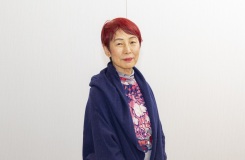 社会学者 東京大学名誉教授 認定NPO法人ウィメンズアクションネットワーク(WAN)理事長 上野 千鶴子
上野 千鶴子 の記事を見る
-
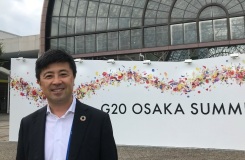 外務省 国際保健政策室長 鷲見 学
鷲見 学の記事を見る
-
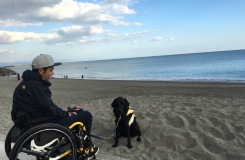 プロ・アダプティブ・サーファー藤原(旧姓:川上)智貴
藤原(旧姓:川上)智貴の記事を見る
-
 京都大学霊長類研究所 教授正高信男
正高信男の記事を見る
-
 社会医療法人石川記念会HITO病院緩和ケア内科統括部長大坂巌
大坂巌の記事を見る
-
 東京医療学院大学保健医療学部教授上田 諭
上田 諭の記事を見る
-
 「夢を叶える145」ライター宮村孝博
宮村孝博の記事を見る
-
 NPO法人 Anneの家 代表 美作地区里親会会員松本芳也・淳子夫妻
松本芳也・淳子夫妻の記事を見る
-
 特定非営利活動法人あかね 代表理事中山 遼
中山 遼の記事を見る
-
 大阪市立総合医療センター 緩和医療科部長 兼 緩和ケアセンター長 大阪市立大学医学部臨床准教授 一般社団法人「こどものホスピスプロジェクト」常務理事 日本小児科学会専門医 英国カーディフ大学緩和ケア認定医(Certificate in Palliative Care) 日本緩和医療学会暫定多田羅竜平
多田羅竜平の記事を見る
-
 NPO法人 岡山マインド「こころ」/代表理事 一般社団法人お互いさま・まびラボ/副代表理事多田伸志
多田伸志の記事を見る
-
 一般社団法人MY TREE代表理事 MY TREEペアレンツ・プログラムスーパーバイザー 認定フェミニストカウンセラー (公認心理師)中川和子
中川和子の記事を見る
-
 兵庫県立ひょうごこころの医療センター精神科医師小田 陽彦
小田 陽彦の記事を見る
-
 独立行政法人国立病院機構福山医療センター院長岩垣博己・堀井城一朗・矢野 平
岩垣博己・堀井城一朗・矢野 平の記事を見る
-
 岡山大学 教授 文学部長田中 共子
田中 共子の記事を見る
-
 Civil Engineer (仕組みつくりの技術者)石田篤史
石田篤史の記事を見る
-
 一般財団法人キヤノングローバル戦略研究所 研究主幹・経済学博士松山幸弘
松山幸弘の記事を見る
-
 岡山大学生殖補助医療技術教育研究センター ART教育研究部門長・教授舟橋 弘晃
舟橋 弘晃の記事を見る
-
 医療法人サンズ理事長浅野 直
浅野 直の記事を見る
-
 株式会社ヘリオス 代表執行役社長CEO鍵本忠尚
鍵本忠尚の記事を見る
-
 慶應義塾大学文学部人間科学専攻教授(医療人類学) McGill大学人類学部・医療社会研究学部Ph.D.北中淳子
北中淳子の記事を見る
-
 岡山大学病院 緩和支持医療科片山英樹
片山英樹の記事を見る
-
 岡山市役所 保健福祉企画総務課松岡克朗
松岡克朗の記事を見る
-
 近現代史研究家青木康嘉
青木康嘉の記事を見る
-
 独立行政法人国立病院機構福山医療センター院長岩垣博己・長谷川利路・中島正勝
岩垣博己・長谷川利路・中島正勝の記事を見る
-
 岡山高等学院 副校長 水野文一郎
水野文一郎の記事を見る
-
 社会の仕組み屋、社会の編集者石原 達也
石原 達也の記事を見る
-
 一般社団法人SGSG理事長/中国学園大学子ども学部講師野村泰介
野村泰介の記事を見る
-
 一橋大学経済研究所 教授神林 龍
神林 龍の記事を見る
-
 特定医療法人自由会 理事 (社会福祉法人敬友会 理事、公益財団法人橋本財団 理事)橋本 健二
橋本 健二の記事を見る
-
 医療法人社団 岡山二人クリニック 理事長、医学博士林 伸旨
林 伸旨の記事を見る
-
 フリーライター渡辺嗣郎(わたなべ しろう)
渡辺嗣郎(わたなべ しろう)の記事を見る
-
 国立大学法人岡山大学 副理事(国際担当)横井 篤文
横井 篤文の記事を見る
-
 ペンネームドクターX
ドクターXの記事を見る
-
 NPO法人 山村エンタープライズ 代表理事藤井裕也
藤井裕也の記事を見る
-
 キャンサー・ソリューションズ株式会社 代表取締役社長桜井 なおみ
桜井 なおみの記事を見る
-
 AMDA(アムダ) グループ代表・認定非営利活動法人AMDA 理事長菅波 茂
菅波 茂の記事を見る
-
 ふれあい歯科ごとう代表五島 朋幸
五島 朋幸の記事を見る
-
 介護従事者髙田 浩一
髙田 浩一の記事を見る
-
 ケアマネ-ジャー・社会福祉士かえる ちから
かえる ちからの記事を見る
-
 五常・アンド・カンパニー株式会社 代表取締役社長慎 泰俊
慎 泰俊の記事を見る
-
 NPO法人 ポケットサポート代表理事三好 祐也
三好 祐也の記事を見る
-
 医療法人 寺田病院 院長板野 聡
板野 聡の記事を見る
-
 鳥取市立病院 地域医療総合支援センター 生活支援室 副室長、リハビリテーション部 副部長、歯科 医長目黒 道生
目黒 道生の記事を見る
-
 鳥取市立病院地域医療総合支援センター長 鳥取市福祉部参与足立 誠司
足立 誠司の記事を見る
-
 ペンネーム池井戸 高志
池井戸 高志の記事を見る
-
 ペンネーム池田 出水
池田 出水の記事を見る
-
 岡山大学大学院ヘルスシステム統合科学研究科教授松岡 順治
松岡 順治の記事を見る
-
 鳥取市立病院 名誉院長田中 紀章
田中 紀章の記事を見る
-
 岡山大学大学院保健学研究科 副研究科長 教授齋藤 信也
齋藤 信也の記事を見る
-
 公益財団法人橋本財団 理事長、医学博士橋本 俊明
橋本 俊明の記事を見る